

Google Authenticator is one of the best ways to secure your logins today. I wrote this article to show you how to use it faster and more conveniently. Besides your phone, you can also use apps similar to Google Authenticator on your PC. Read on to find out how!
About Authenticator
What is an Authenticator verification code?
An authenticator app is a 2-step verification method that confirms your identity. When you enter the code from the app, you prove to the login page that you are the real account owner.
How is Authenticator better than SMS?
Both are 2-step verification, but an authenticator app has an edge over SMS (receiving a code by text message). It doesn’t depend on phone signal, doesn’t need an internet connection, and you never run into the problem of a code that fails to arrive like with SMS.
To see how Authenticator is used in practice, check out How to enable Two factor Authentication for WordPress and how to secure your website login page with Wordfence Security Premium.
Use Google Authenticator on your phone
First, install the Google Authenticator app on your phone. If you are reading this on your phone, tap a button below to download it.
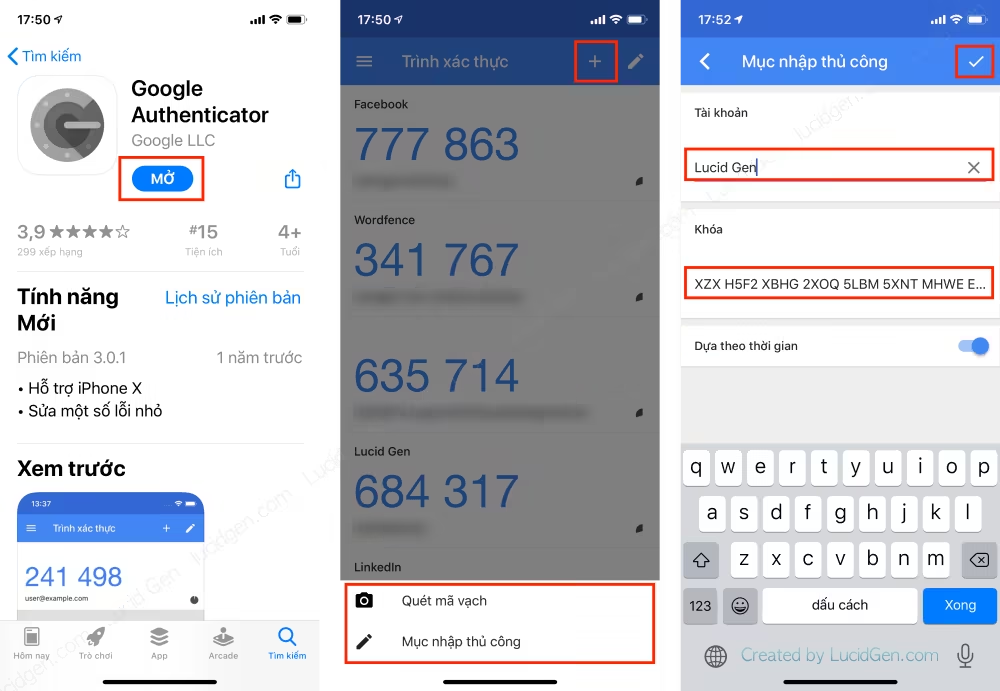
Once installed, open Google Authenticator and tap the plus button to add a code. You have 2 options:
- Scan a QR code: Point your phone’s camera at the QR code on your computer screen. Once it’s scanned, you will immediately get a 6-digit verification code.
- Enter a setup key: Type in the key provided by the service. After that, you will get a 6-digit verification code.
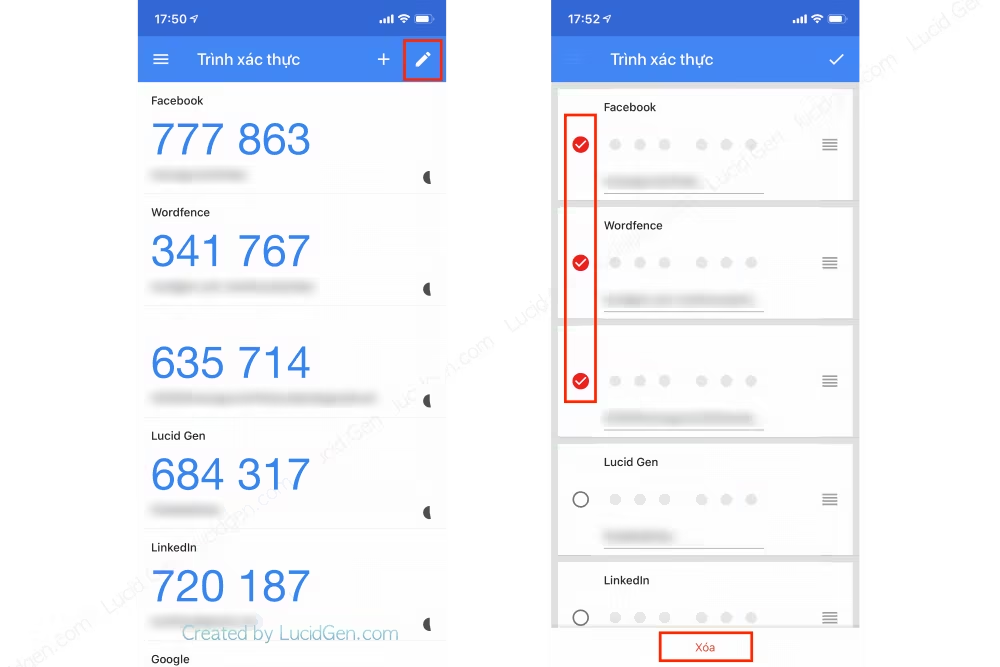
To delete codes in Google Authenticator, tap the pencil button, select the codes you no longer use, then tap the delete button at the bottom.
Sync Google Authenticator codes with your Google Account
When I first wrote this post, the codes in Google Authenticator lived only on your phone, so losing the phone meant losing the codes. Since 2023, Google has added syncing: just sign in to your Google Account inside the app, and your codes are backed up to the account. When you switch to a new phone, install Google Authenticator and sign in with the same Google Account, and your codes come back automatically without setting up each service again (10/2026).
If you choose Use without an account, the codes stay only on that device. To move them to another phone, open the app’s menu, choose Transfer codes > Export codes to create a QR code, then on the new phone choose Import codes and scan that QR code. Note: With syncing on, the safety of your codes depends on your Google Account itself, so protect that account well (a strong password, 2-Step Verification or a passkey).
However, I find the phone isn’t the most convenient option. Most of us work on a computer, so picking up your phone and opening Google Authenticator every time you log in takes a bit of time. That’s why I recommend installing a Google Authenticator alternative on your PC, as shown below.
Use Google Authenticator on PC
There are 2 ways to get Google Authenticator-style codes on your PC:
- Use the Authenticator extension in Chrome or Coc Coc. This suits people who only use 1 browser profile.
- Use an app from the App Store on a MacBook or the Microsoft Store on Windows. I tried many different apps and picked the ones I liked most to recommend here. This suits people who use multiple browser profiles.
Install the Authenticator extension on Chrome
Click the button below to open the Authenticator extension page, then click the Add to Chrome button.

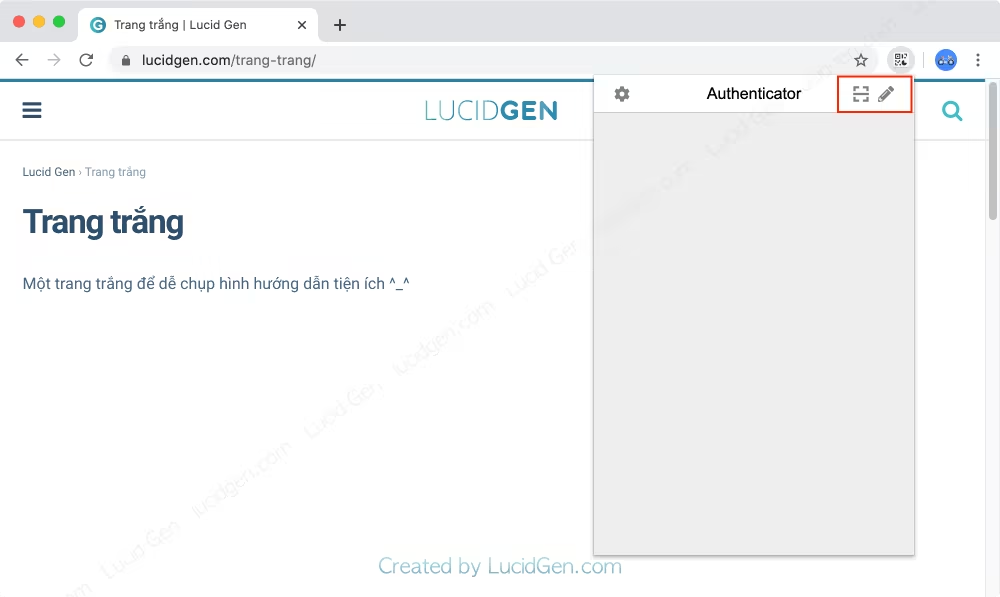
After installing the extension, you will see a QR code icon in the upper corner of Chrome. Click it to open the extension. There are 2 ways to add a code:
- Scan the QR code shown in your browser (the scan icon on the left).
- Enter the secret key yourself (the pencil icon on the right).
If you scan the QR code: drag to select the area containing the QR code, as the extension instructs.

If you prefer to enter the secret key: click the pencil icon on the right, then click the plus sign.
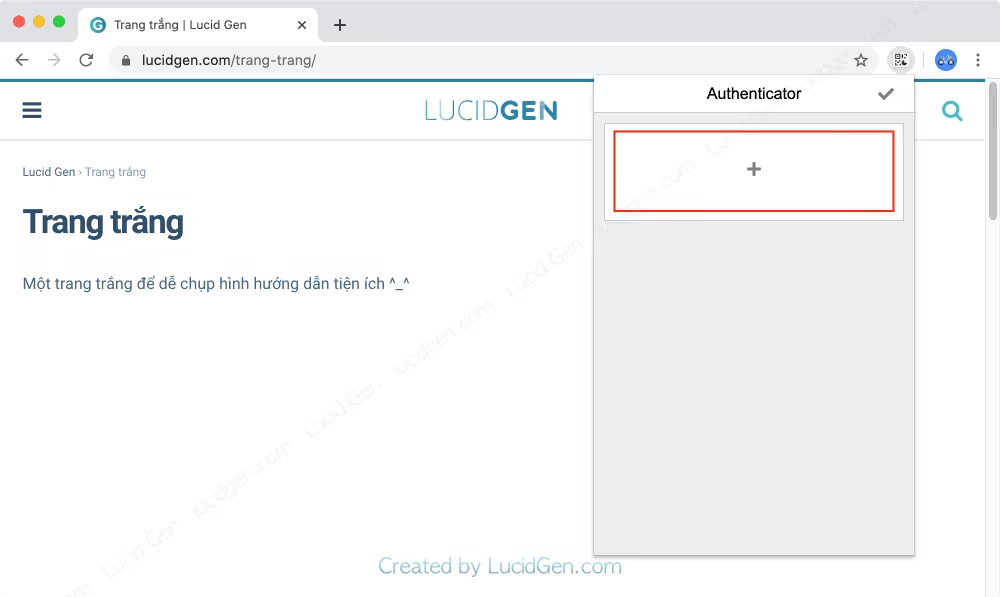
Then choose Manual Entry.
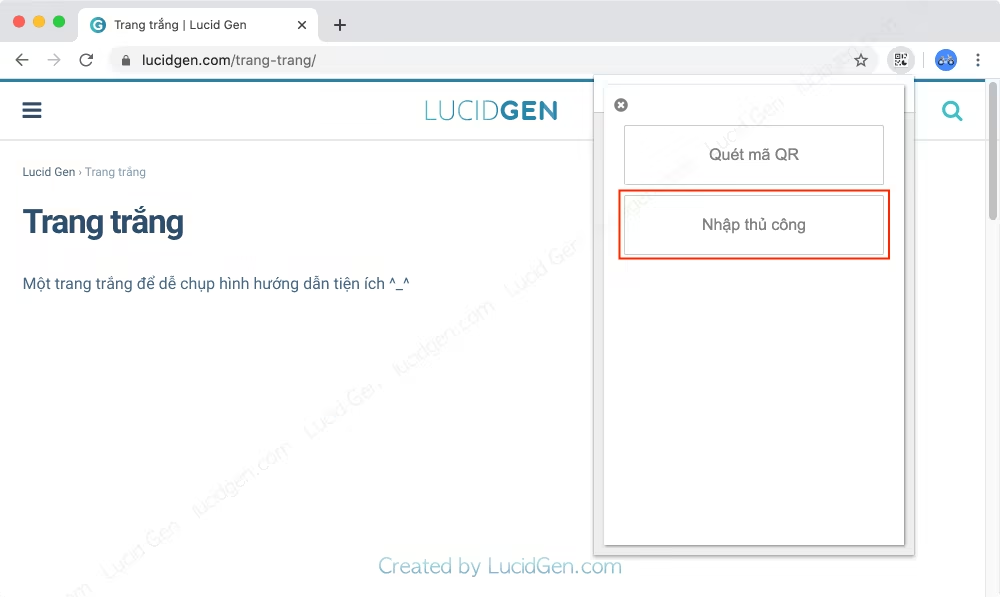
Next, enter the secret key and a name that helps you recognize the code (you can change it later), then click OK.
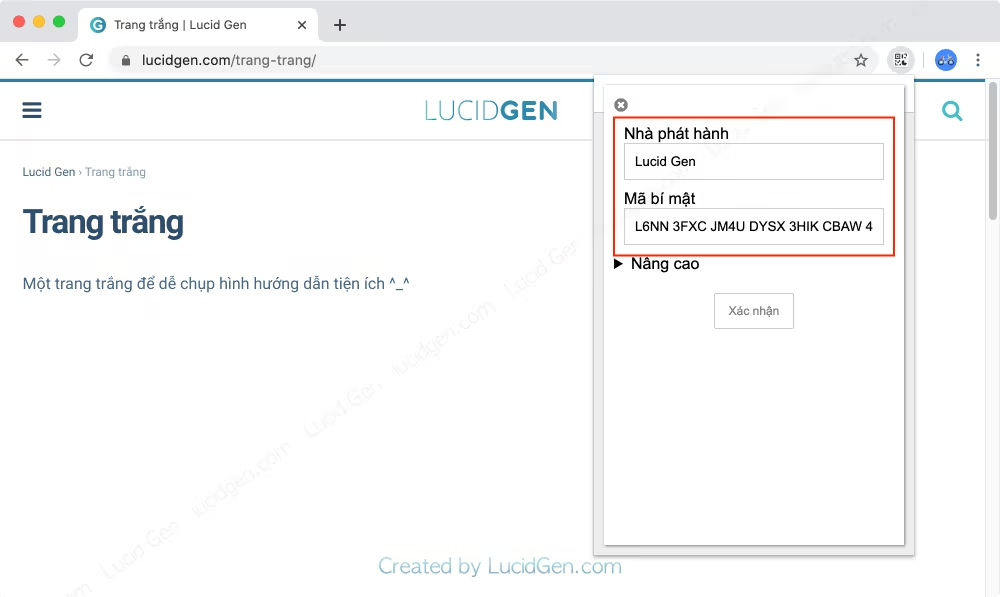
Now you get the verification code right on your computer, like this. Click the code to copy it. Pretty convenient, right? There is also a settings button, so let’s take a look.
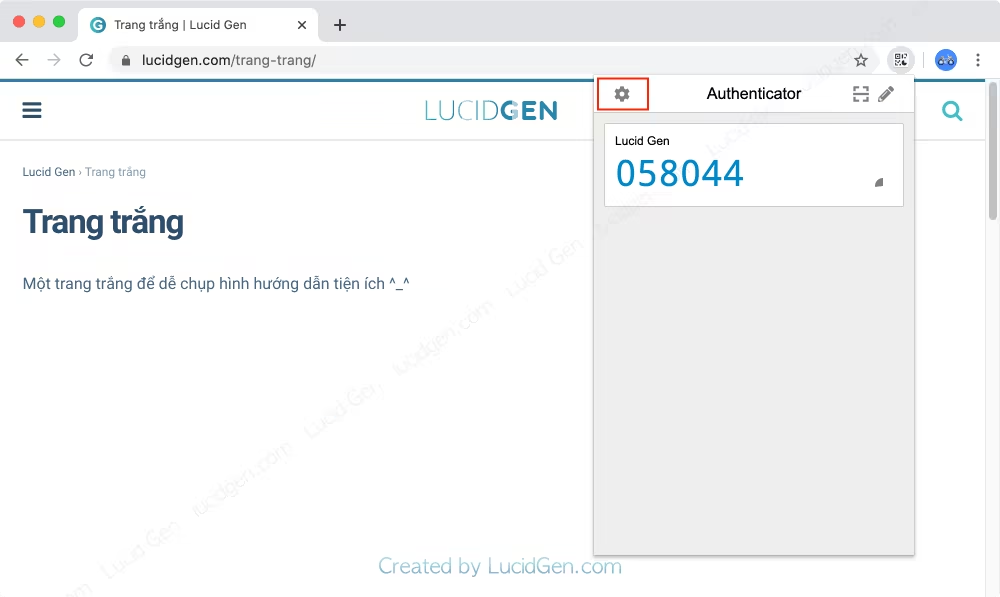
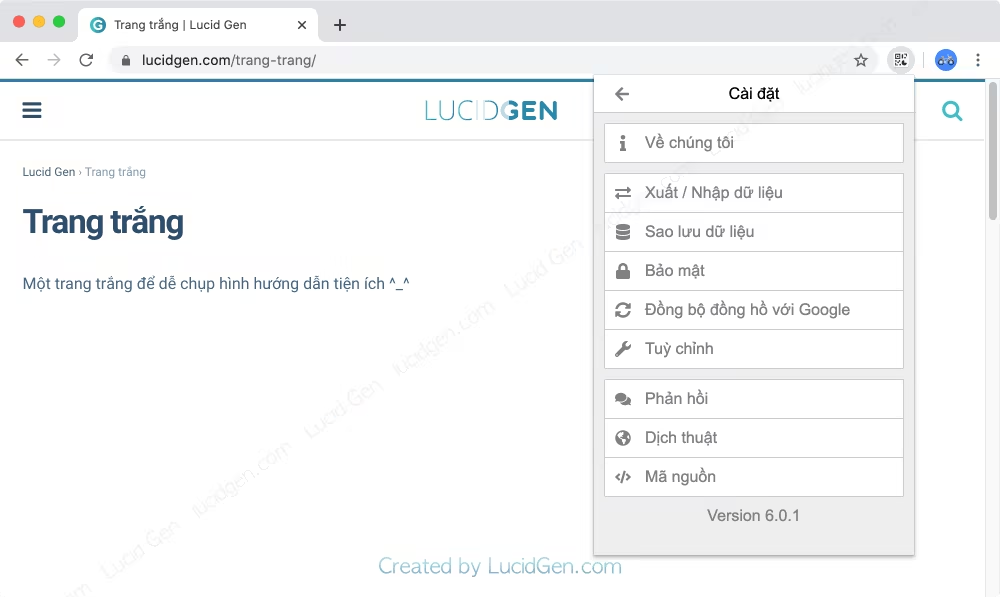
If you switch computers or reinstall your browser, you can still get your codes back later. But you need to make a backup first.
Click the Authenticator settings icon, and you will see the Export / Import feature. Use it to back up and restore your codes.
To delete a code you no longer need, click the pencil icon, then click the red button.
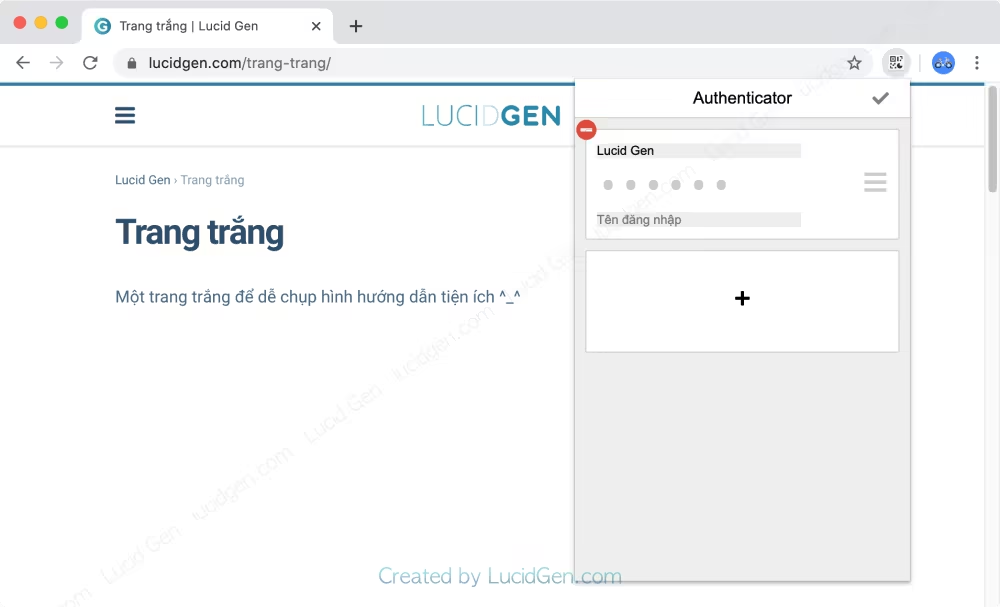
However, this isn’t the most convenient option if you use multiple browser profiles. With many profile windows open, it gets a bit confusing. If that sounds like you, try the method below.
Install an authenticator app on Windows 10
At the time of writing, Google doesn’t offer an official Google Authenticator app for PC. Luckily, there are apps that work just like Google Authenticator on PC.
On Windows, open the Microsoft Store, search for an app called WinOTP Authenticator, and install it.
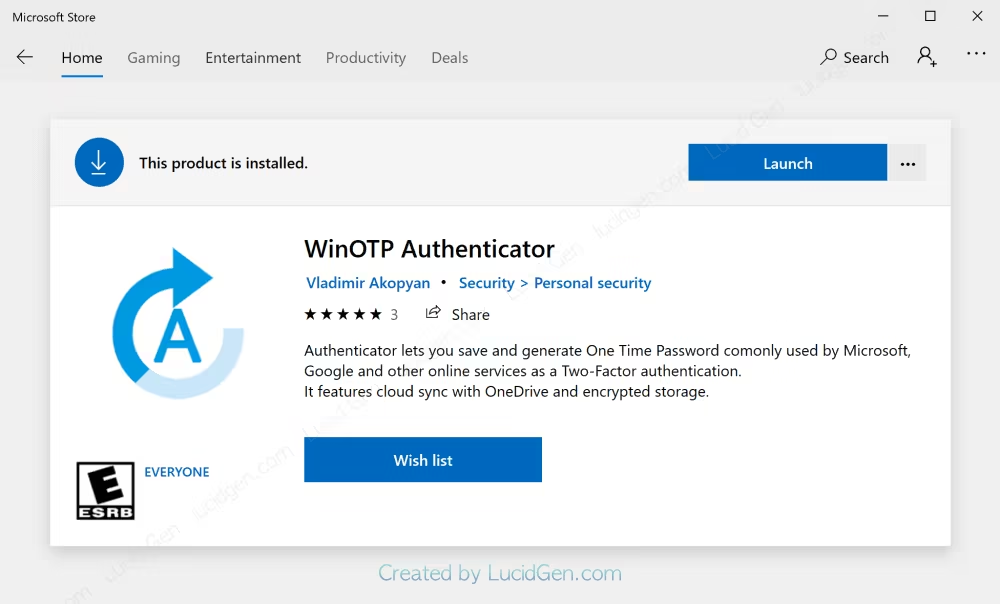
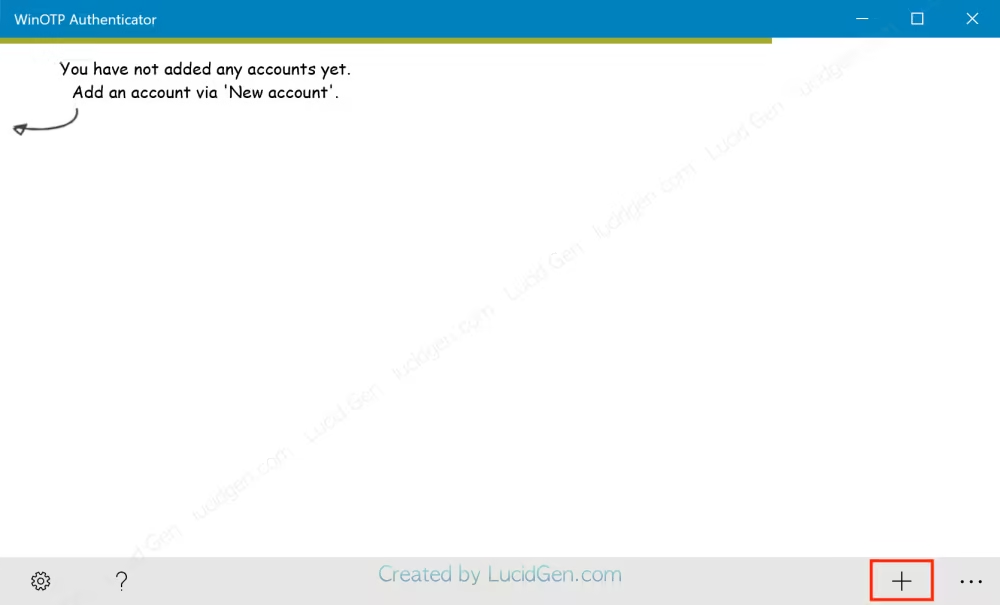
Open WinOTP Authenticator and click the plus button at the bottom to add a secret key.
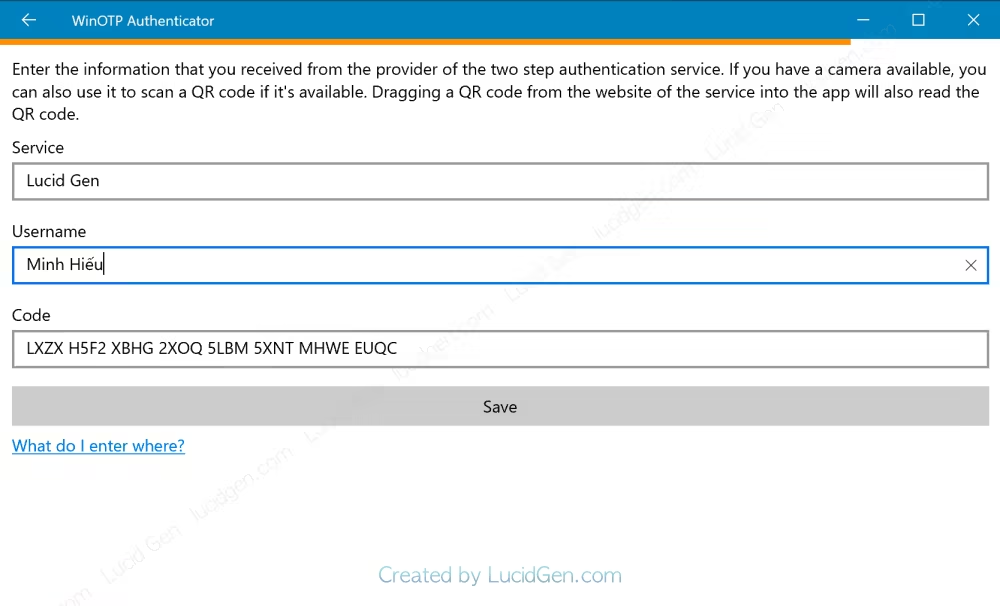
Enter the secret key, website name, and username, then click Save.
Once the code appears, click it to copy it automatically. You will see the message “Code copied to clipboard” as shown below.
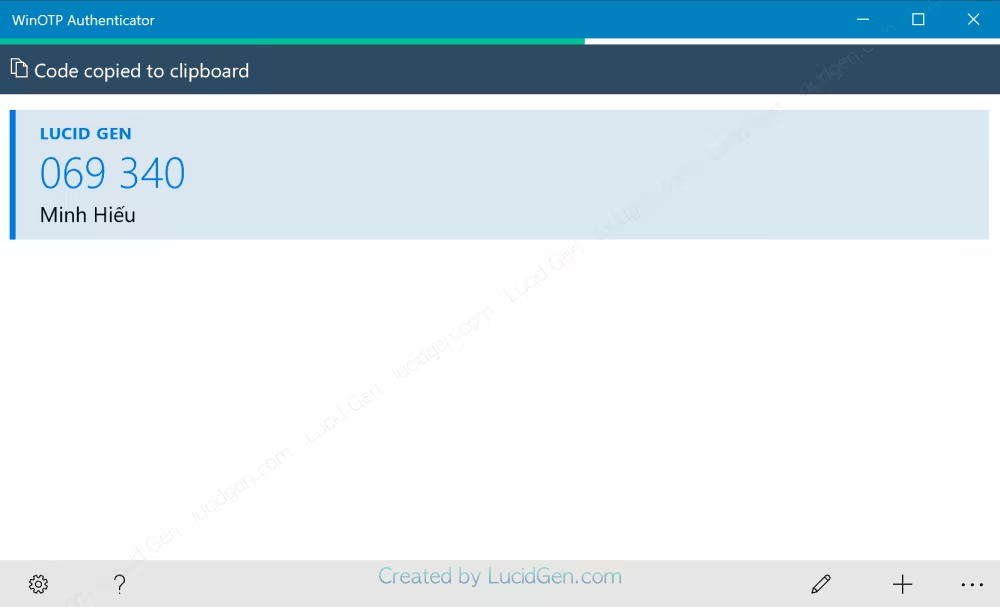
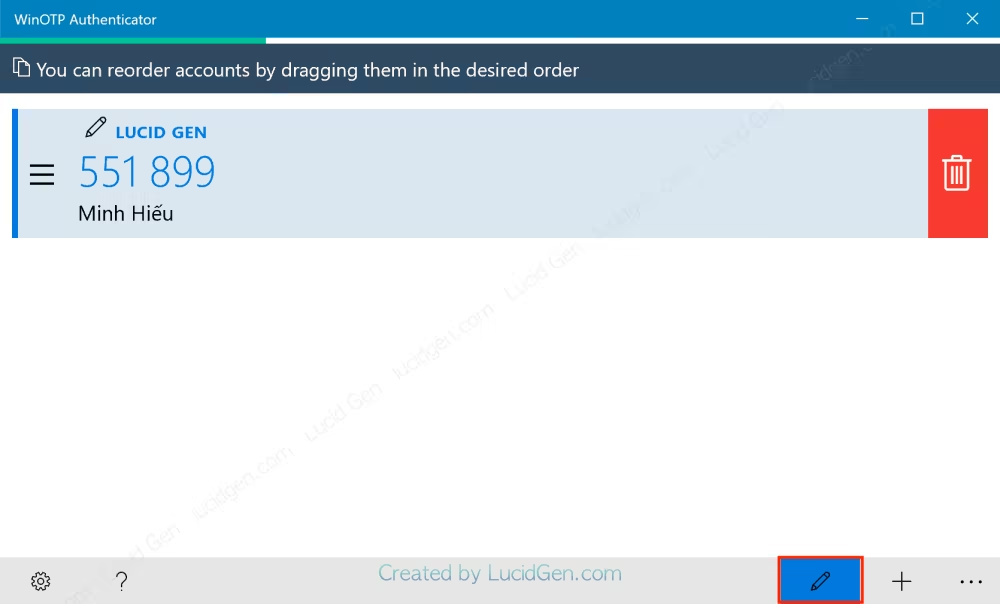
To delete a code, click the pencil icon at the bottom, then click the delete button right above that code.
Install an authenticator app on macOS
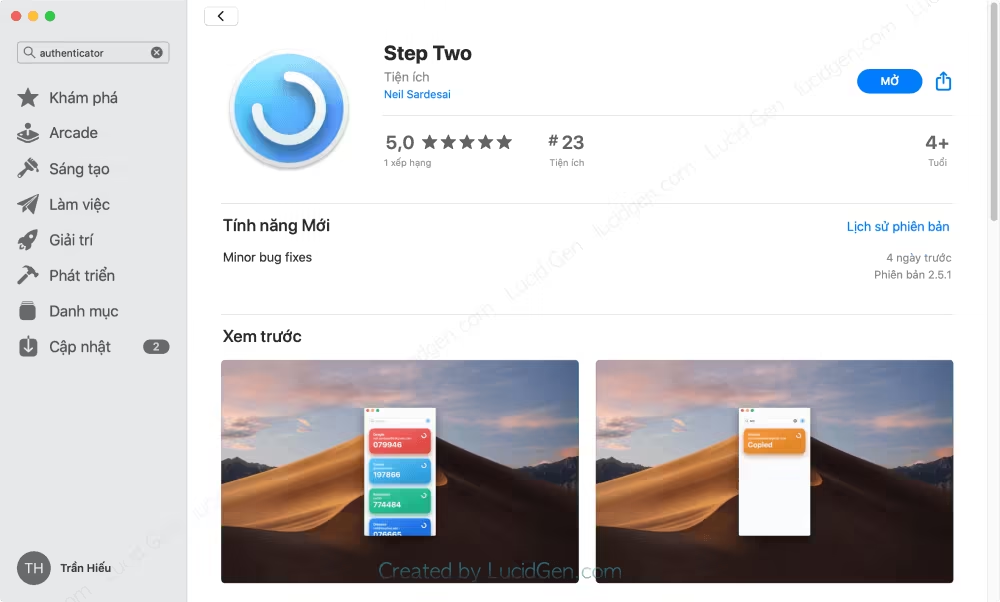
Windows has one, and so does macOS, though I have to admit macOS developers tend to have a better eye for design. Open the App Store and install the Step Two app.
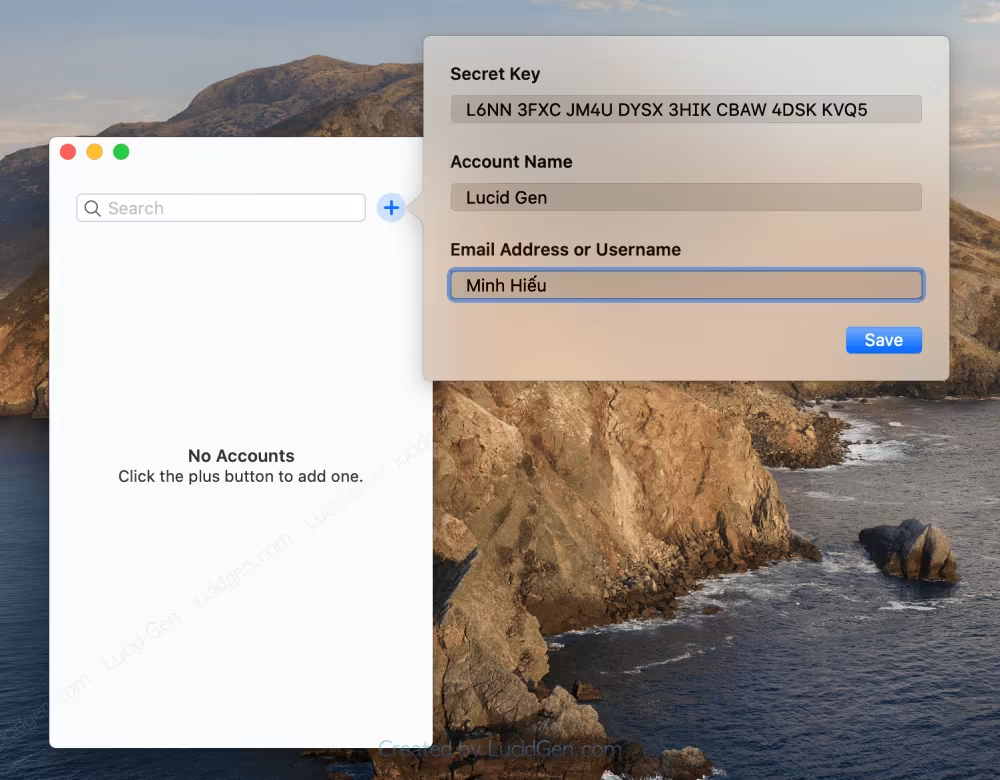
It’s very simple to use. Click the plus button to add a secret key, enter the website name and username, then click Save.
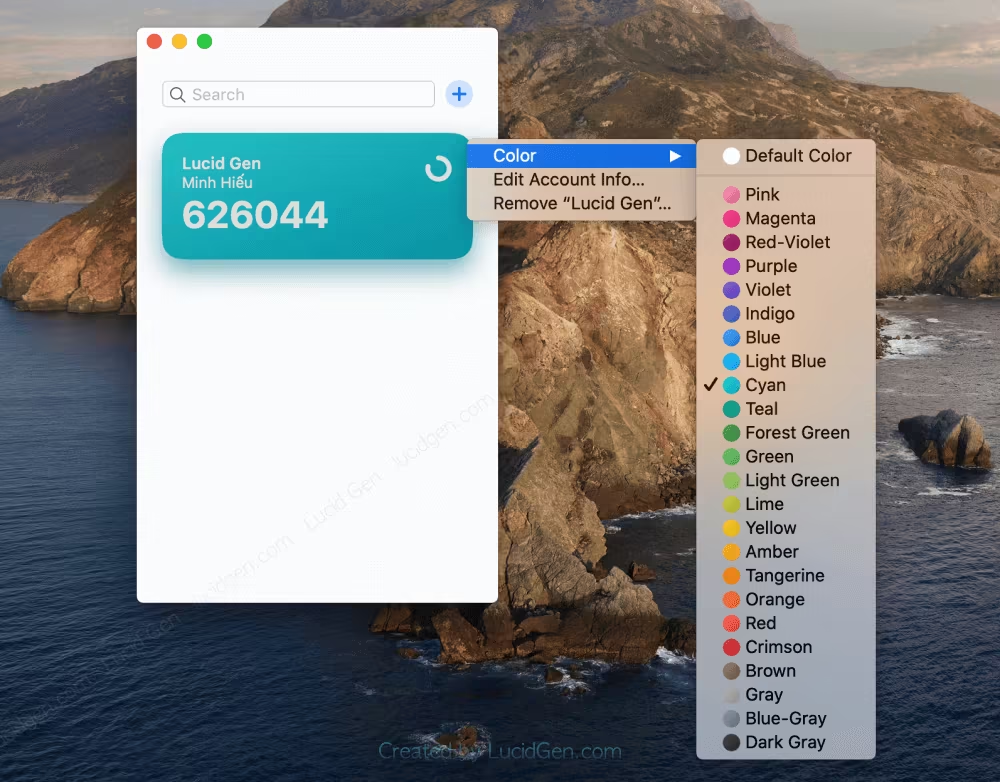
To delete a code or change its color, right-click it. I find this app very intuitive.
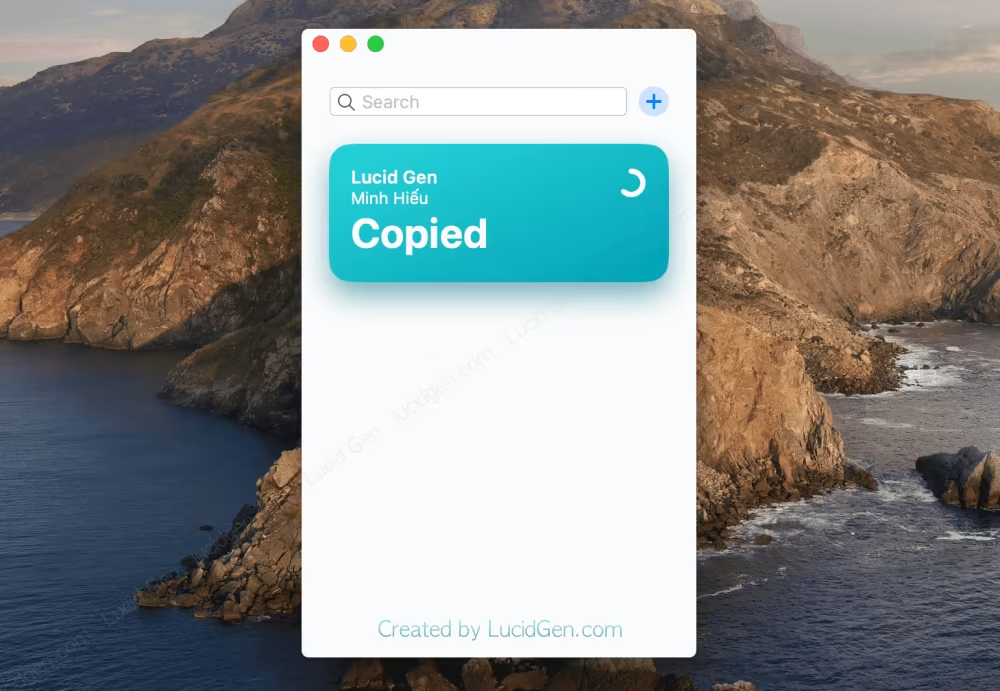
Just click a code, and it will be copied automatically.
Conclusion
To sum up, there are 3 ways to get Authenticator codes: the Google Authenticator app on your phone, the Authenticator extension in Chrome for people who use 1 browser profile, and Google Authenticator alternatives on PC for people who use multiple browser profiles. Which one do you like best? If you have any questions, leave a comment below!


I downloaded and Installed WinOTP and it will only Bring Up the Splash Screen and open no further [it disappears].
Oh, maybe this app is outdated. But you can use Chrome Extension, It works okay!