

Installing Conda (Anaconda or Miniconda) gives you more flexibility when creating Python virtual environments, because you can pick the Python version you want. For tasks you rarely do, I’ll use the GUI (Graphical User Interface) so the steps are easier to remember. For tasks you do often, I’ll use the CLI (Command Line Interface).
Anaconda vs Miniconda
- Conda: A popular package and virtual environment manager for Python and R.
- Anaconda Navigator: An app that gives Conda (Miniconda, Anaconda) a visual interface.
| Comparison | Anaconda | Miniconda |
|---|---|---|
| Includes | Miniconda and many quality packages for data science in the base environment. | Conda and Python. |
| GUI | Anaconda Navigator included. | Install Anaconda Navigator yourself. |
| Size | Heavy. | Light. |
| Best for | Data scientists who need packages that work well together, don’t care much about virtual environments and mostly use the base environment. | Developers who want to install only the packages they need and usually create a virtual environment for each project. |
Imagine you’re doing data science and need two packages from two different authors. If you use plain Python or Miniconda, the latest versions of those two packages might conflict with each other.
Anaconda ships the most suitable version of each data science package so they’re as compatible as possible. You won’t have to spend time tracking down errors and the right package versions, but Anaconda takes up a lot of disk space.
Install Conda
Whether you install Anaconda or Miniconda, they still have a GUI called Anaconda Navigator. The difference is the number of packages that come with the base environment.

Install Anaconda
Go to the Anaconda download page to get the installer. Installing Anaconda is simple: just keep clicking Continue until the installation finishes.

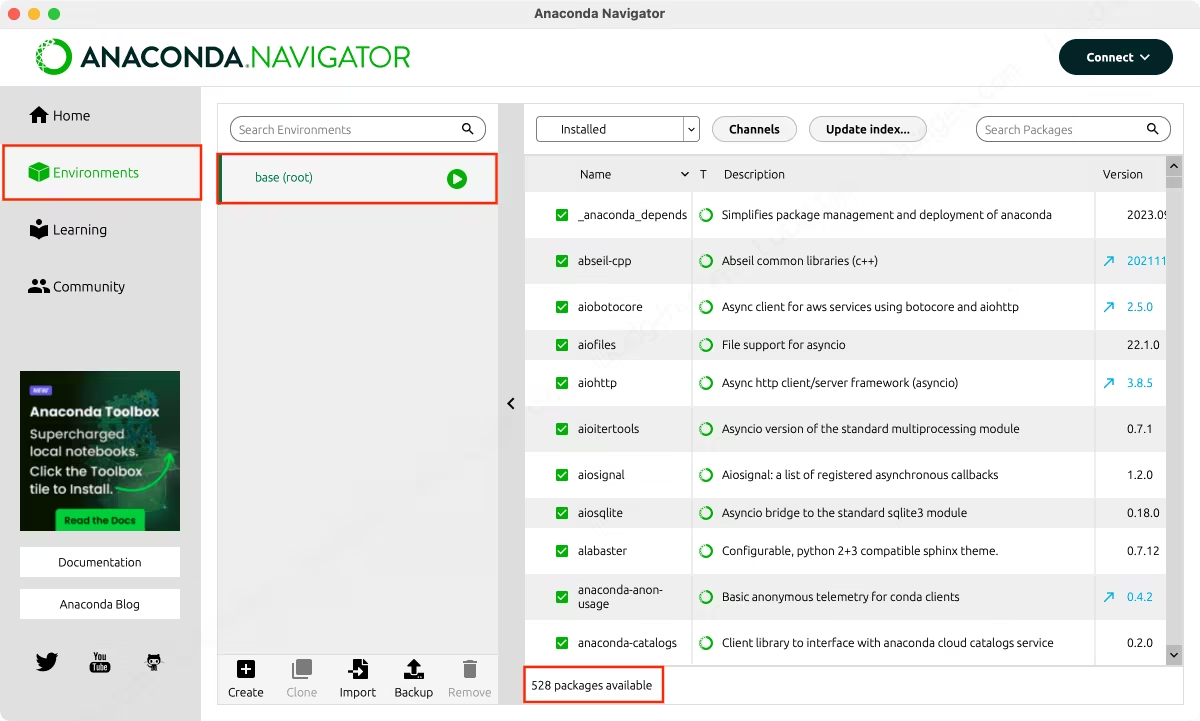
Open Environments in Anaconda Navigator and you’ll see that the base environment already has more than 500 packages. If you do data science, Anaconda’s base environment is the way to go.
To uninstall Anaconda, see Uninstalling Anaconda Distribution.
Install Miniconda
Go to the Miniconda download page to get the installer. If you’re on macOS, download the .pkg file. The installation is the same as Anaconda.
After installing Miniconda, open Terminal (CMD) and install Anaconda Navigator with this command.
conda install anaconda-navigatorMiniconda’s base environment only has about 150 packages.
Create a Python virtual environment using Conda
Creating a Python virtual environment with Conda is essential for these reasons:
- To share the list of packages a project needs with the public or with your project team.
- To avoid conflicts when some packages aren’t compatible with the packages already in your other environments.
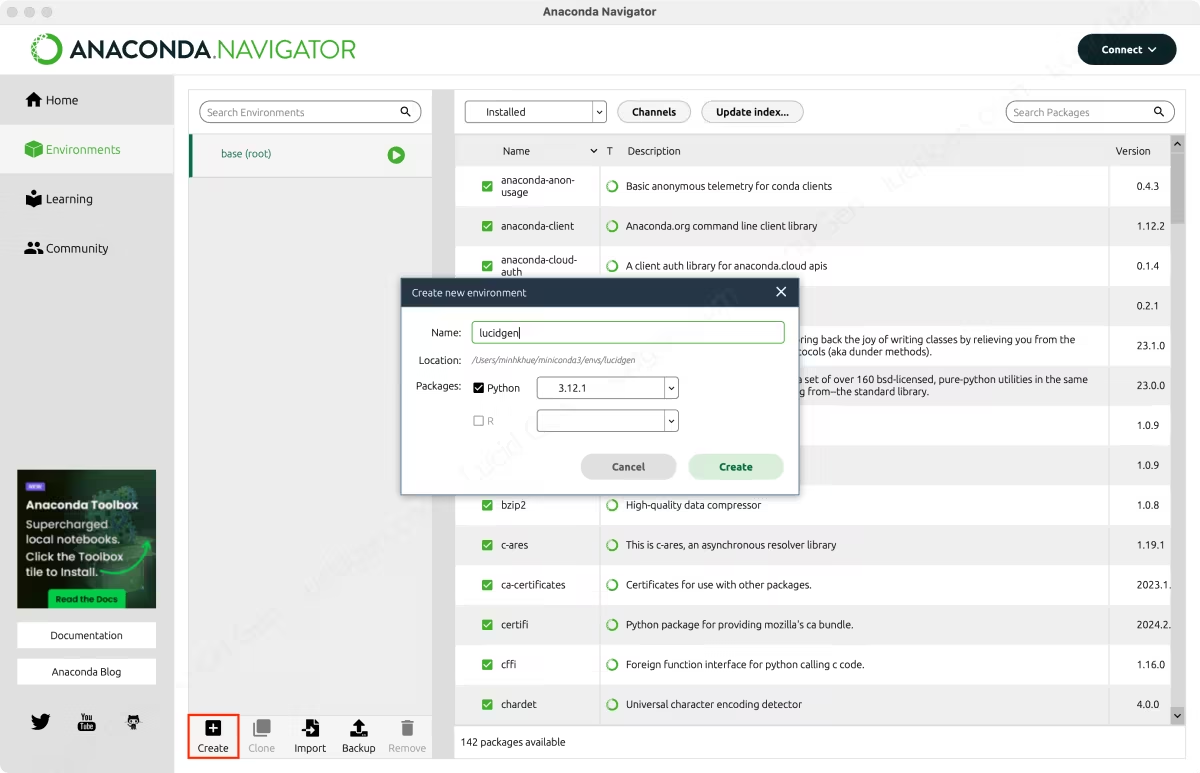
To create a new Python virtual environment with Conda, go to Environments, click Create, enter a name for the environment and select the Python version.
You can also create a Python virtual environment with this command in Terminal (CMD).
conda create -n <env_name> python=3.12A new virtual environment is the same whether you use Anaconda or Miniconda: it doesn’t inherit anything from base and only contains about 20 basic packages.
Use a Python virtual environment
Activating virtual environments and installing packages are things you do every day, so I’ll show you how to do them in the CLI. If you often use an IDE like PyCharm, read more about adding a Conda virtual environment to PyCharm.
Activate a virtual environment
Activate the base environment.
conda activateActivate the Python virtual environment you created.
conda activate <env_name>Deactivate the Python virtual environment.
conda deactivateOnce the virtual environment is active, you can use Python in Terminal (CMD) as shown in the article on how to install Python.
Install packages
You should install packages from Conda first, because those versions are tested, patched and the most compatible with each other.
conda install <package>If you need a package that’s only available on PyPI.org or you need its latest version, use Pip.
pip install <package>Back up and import a Python virtual environment
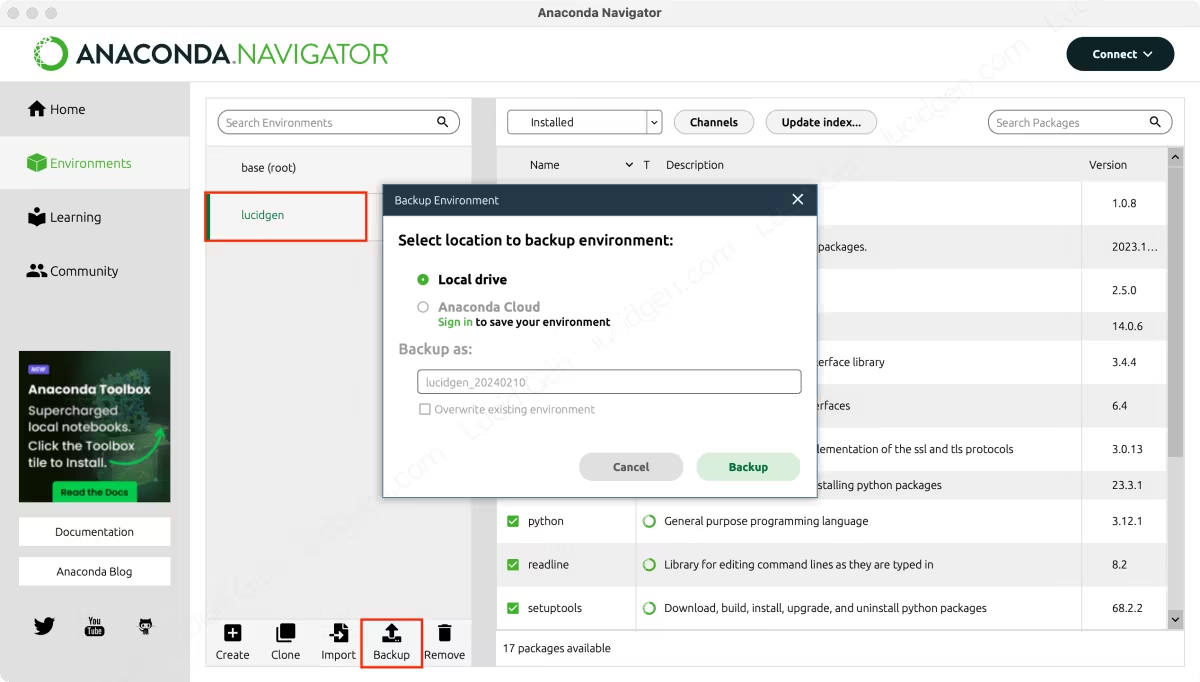
To export a Python virtual environment with Conda, select the environment and click Backup.
To import a Python virtual environment with Conda, click Import and select the YAML file.
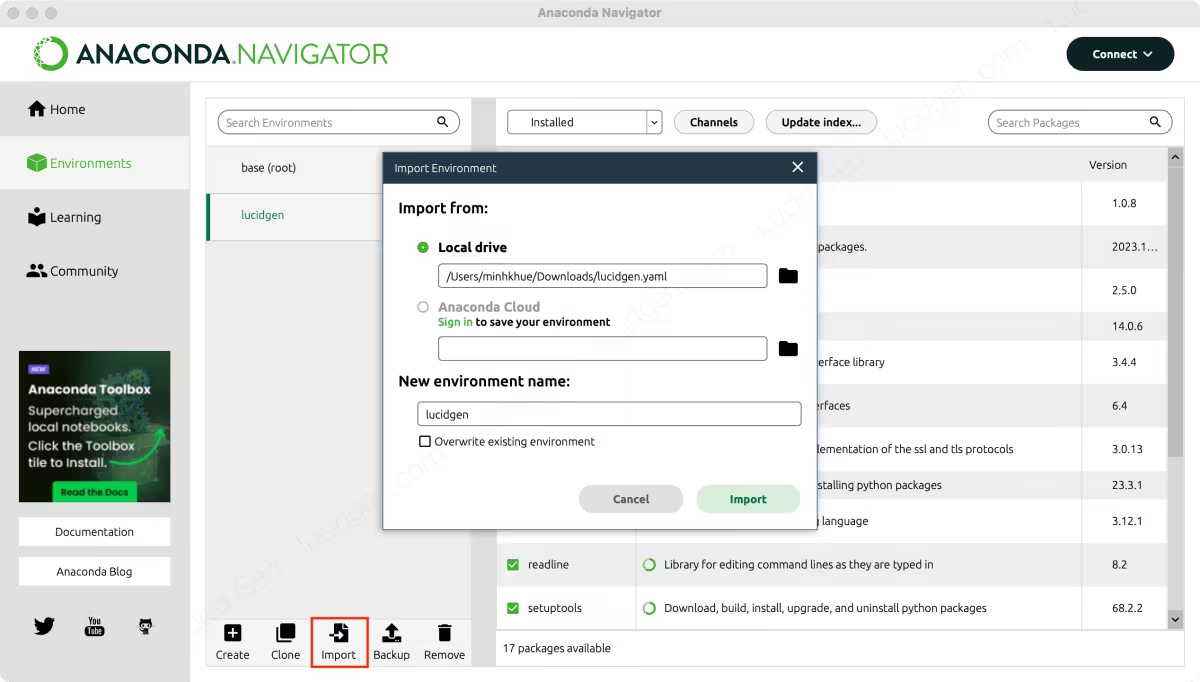
You can also clone or delete a virtual environment with a few clicks in Anaconda Navigator.
Conclusion
If you prefer purely CLI operations, read Conda’s documentation; it’s very well written. Personally, I find Anaconda Navigator the most efficient way to create and share Python virtual environments. Conda built this app, so we might as well use it.


